
The major components of car are as follows.
- Battery
- Axle
- Brakes
- Engine-cooling system
- Exhaust system
- Transmission system
- Suspension system
- Wheels
- Ignition
- Differential
- Engine
- Chassis
- Car body
- Dashboard
- Other accessories*
let’s take a look at each one of them
1. Battery
Battery plays an important role in initiating the ignition. Usually, the vehicle battery is made up of lead-acid battery as its efficient, low cost and space occupied in the car is less. The battery is usually mounted on the front engine compartment.
Battery consist of a container with electrodes lead oxide(PbO2) and lead(Pb), and sulfuric acid and distilled water as the electrolyte.the circuit is closed by connecting the components like bulbs, switches,and other components.
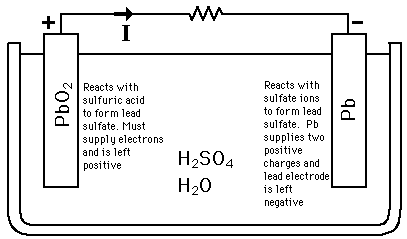
the combination of one positive and one negative electrode form a cell. between each electrode and cells, a separator made of plastic is used, and cells are connected in series. Totally six cells are present in a battery container with the electrolyte.
sulfuric acid contains hydrogen and sulfate ions. hydrogen is attracted by positive electrode i.e lead oxide electrode and sulfate is attracted by the negative electrode i.e lead electrode. The electrons flow from negative to the positive electrode, by this there is electricity
flow through the components. Due to the electrons flow from lead to lead oxide electrode, the lead sulfate is formed.
the electrolyte has to be changed when it completely becomes water and the battery has to be charged in this condition. so, what happens when the battery is charged? when the battery is charged the ions are exchanged in reverse order and the acid content increases during this time the battery generates heat and water molecules get evaporated. hence, distilled water has to be added to the container.
so, why the battery is required in a car? the battery serves mainly two purposes, one is to start the engine and other is for working of electric components.
when you turn on the ignition key the battery power is supplied to the starter motor and the starter motor rotates the crankshaft through v-belt and initiates the engine cycle, and the engine starts.
2.Axle
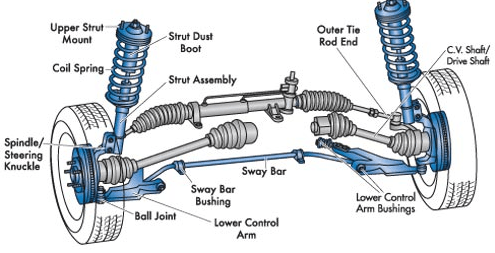
The axle is a shaft which connects Center of two wheels or gears. With respect to automobile, vehicles have front axle and the rear axle. Usually, the axle is made from SAE grades of steels commonly called carbon steel.
- Front Axle: A front axle connects the front wheels and provides housing for the steering mechanism and the braking system. It also consists of bearing, bushes and mounting points for the wheels.
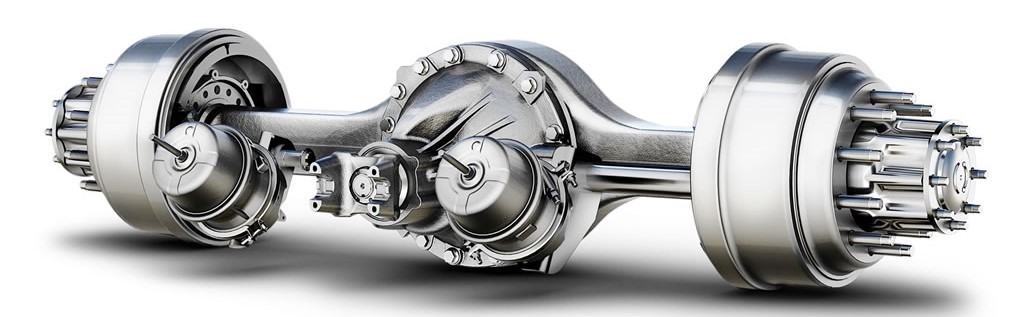
- Rear axle: A rear axle connects the rear wheels and provides housing for differential and braking system. Rear-axle plays an important role in case of the rear-wheel-drive as it transmits the power from connecting shaft to the rear wheels.
3.Brakes
The word “Brake ” suggests breaking. In automotive what else could be other than breaking the speed or slowing down the vehicle.so how do the brakes work? When you press the brake paddle, the force at which you press gets multiplied and the damper is pushed against the rotating wheel and the vehicle is slowed down.

The Major components in the braking system are as follows,
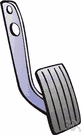
- Brake paddle: This is the metallic part with the rubber covering. Where the drive exerts force in order to slow down the vehicle.
- Brake booster: This is connected to brake paddle. Its job is to multiply the force exerted by the driver.
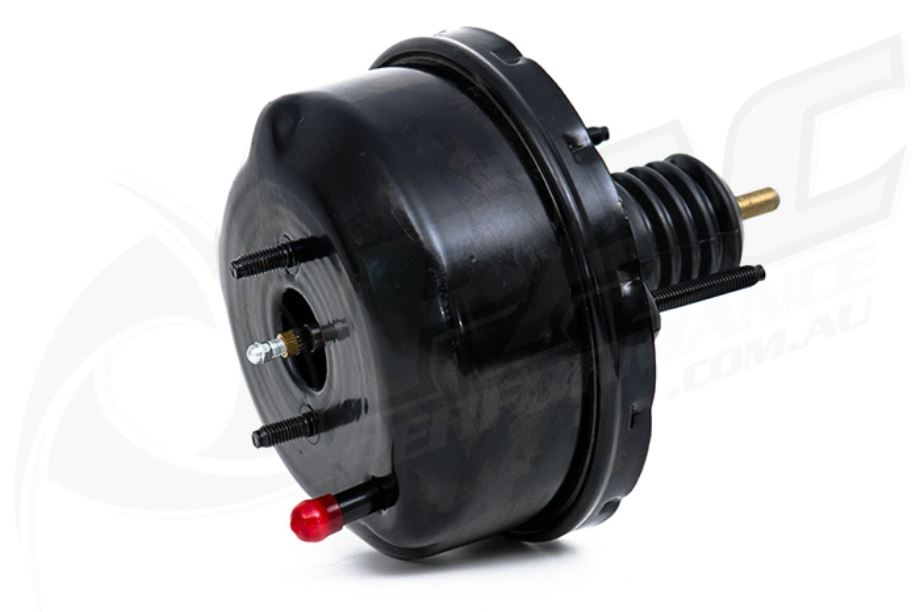
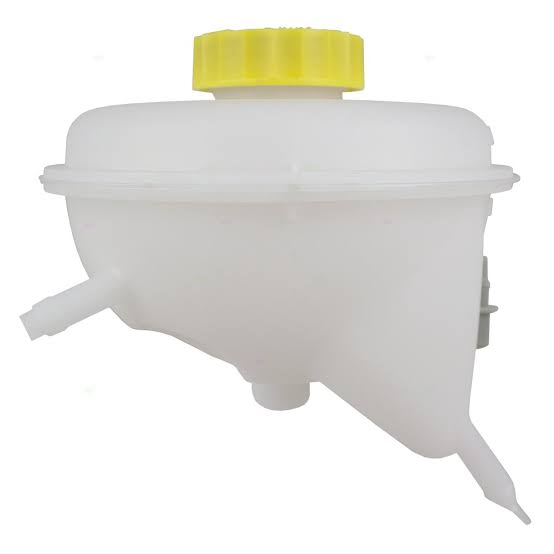
- Brake fluid reservoir: This is basically a small tank that stores brake fluid.
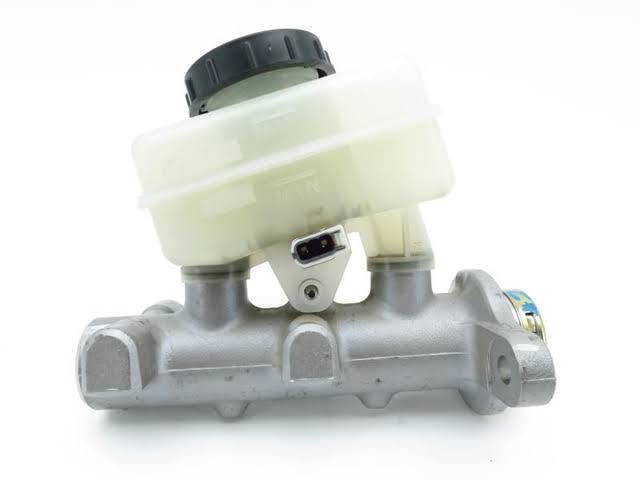
- Master cylinder: This is present in both disc and drum brakes.It converts pressure from brake pedal to hydraulic pressure by the help of brake fluid.
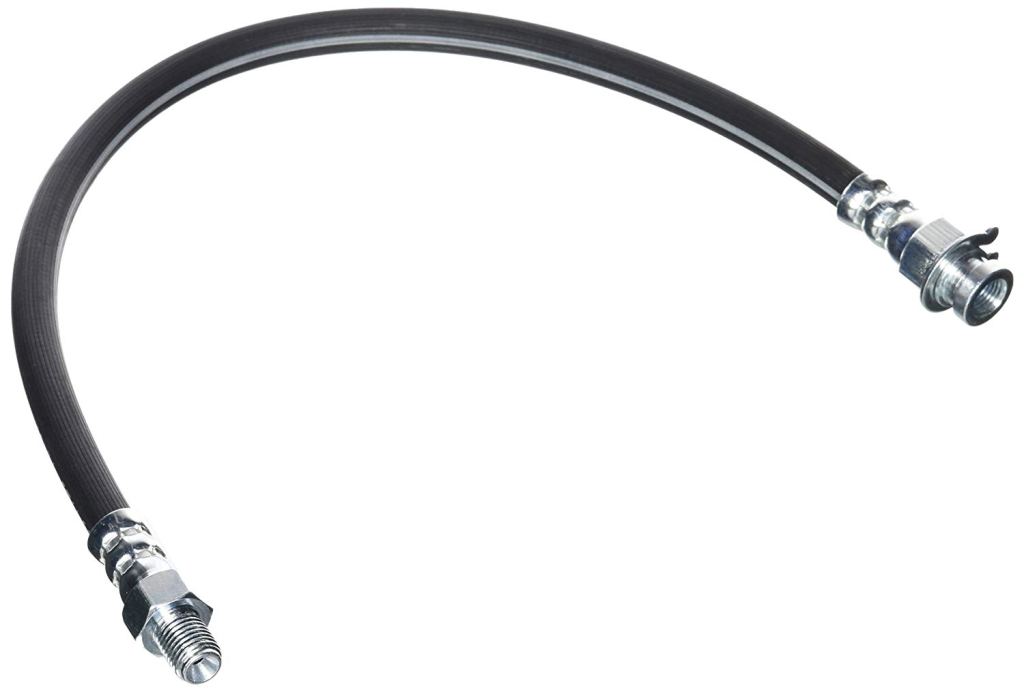
- Hydraulic line: This is connected between master cylinder and brake caliper. It is a channel for the fluid movement to transfer pressure.
- Brake caliper: It is the housing for brake shoe or brake liners. Brake shoes are pressed against the rotating disc connected to wheels.

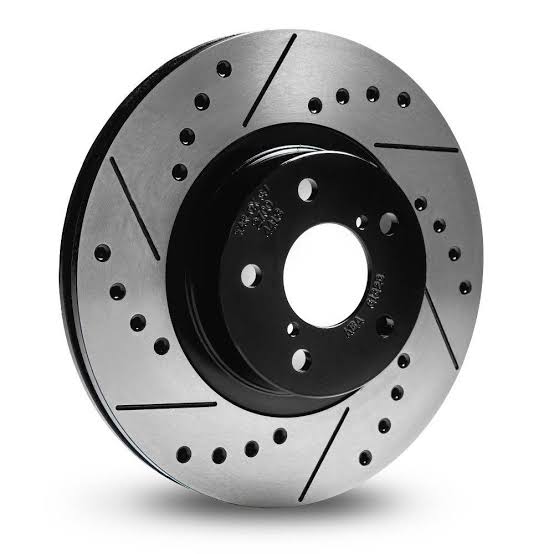
- Brake disc: These are made up of cast iron or composites. This part experience the pressure by brake shoes and slow or stops the vehicles.
4. Engine-Cooling system
During the long run of vehicle, engines operate at 195°F-250°F, which can cause engine wear and tear. Hence, proper cooling is required to avoid the problem. So this system circulates coolant around the cylinder and cylinder head. The coolant absorb the engine heat and moves to radiator, get cooled then again moves to the engine, and the cycle repeats.
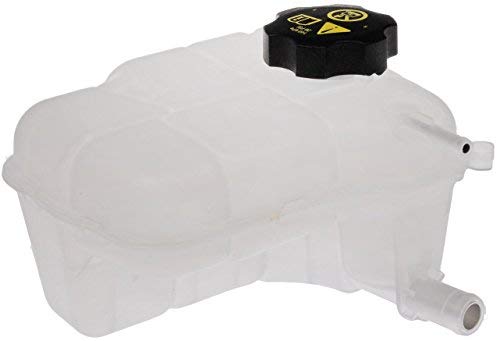
- Coolant tank: coolant is a low-viscosity fluid that passes through the cooling jackets of the engine. coolant tank stores the coolant and place above the radiator’s upper hose.
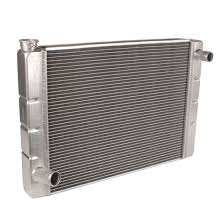
- Radiator: It plays a major role in cooling the coolant. It is present in the front part of the vehicle under the hood.
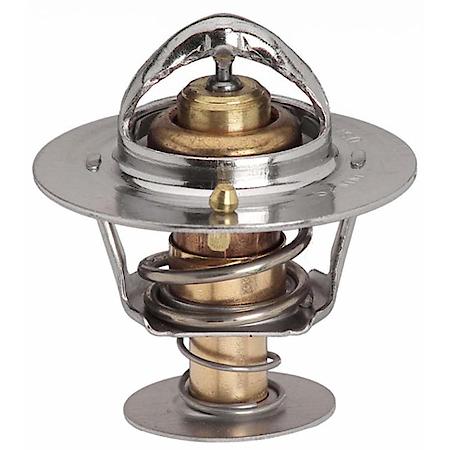
- Thermostat: It is used to sense the temperature. It blocks or allows the coolant to flow to the radiator
- Cooling fan: It is used to remove the heat from the radiator using air when the vehicle is moving.
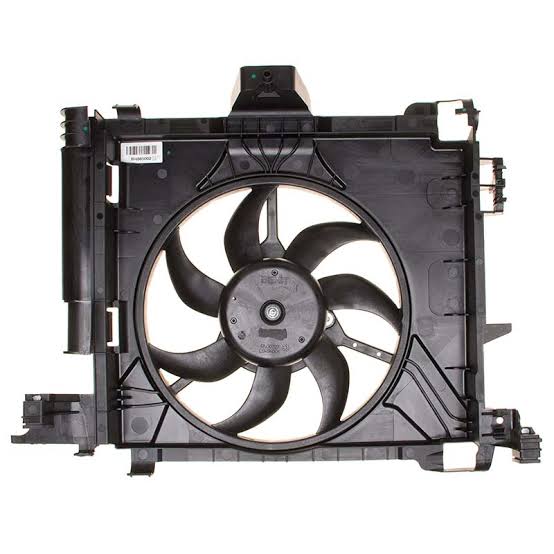
5.Exhaust system
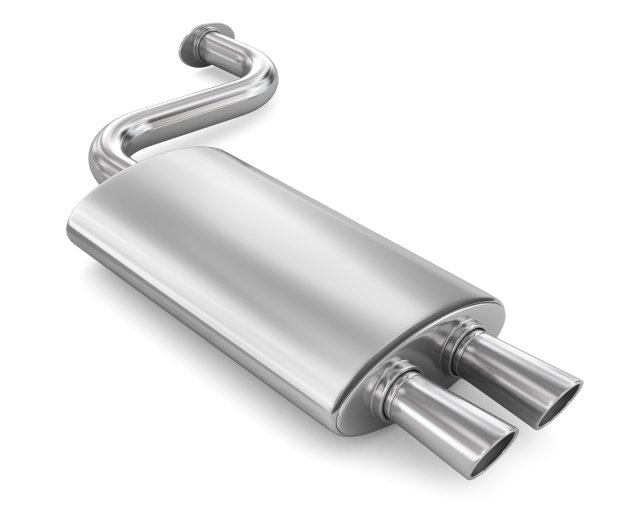
The exhaust stroke of an engine produces a lot of noise and harmful gases. So, this has to be controlled in order to prevent air and noise pollution. The exhaust system collects the exhaust products reduce the noise and toxic substances in the exhaust gases.
The components in the exhaust system are:
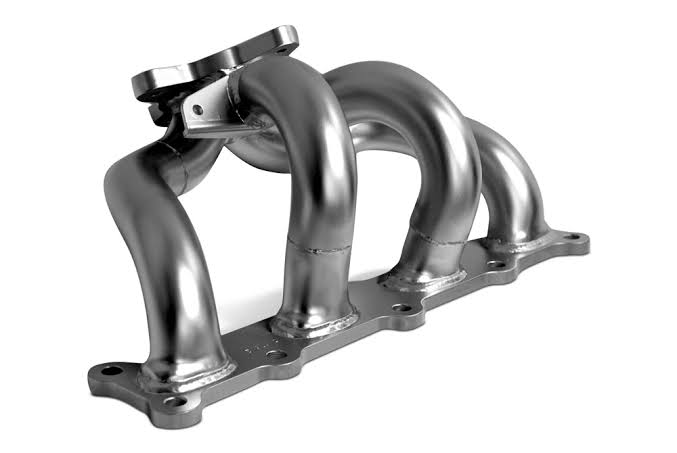
- Exhaust manifold: It is a metallic pipe that collects exhaust gases from all the cylinders and transfers into one pipe.
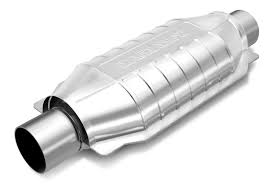
- Catalytic Converter: It is a device that reduces the toxicity of the exhaust gases and produces less toxic gases.
- Reasonator: It is a device used to reduce the noise of the exhaust gases. This function is either done mechanically or electromagnetically. It has different projections in it and produce lesser noise.
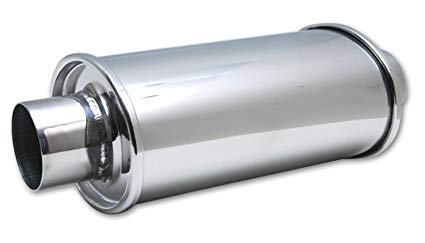
- Muffler: It is used to muffle the exhaust gases at all RPM’s
6.Transmission system
It is basically a system/ machine that is used to transmit power from one part to another part. Power can be transmitted through different driving systems like belt drive, chain drive, shaft drive, gear drive, hydraulic drive. In cars usually, we find gears and shaft transmission where as in bikes we find chain and belt drive.
There two main components used in transmission-
- Gears: It is a circular metallic disc which has projections about its circumference. The main advantage of gear is it can transmit exact power and the disadvantage is it can’t transmit power to long-distance.There is a driving gear(transmit power) and driven gear( receive power).
- Shaft: It is basically a metallic rod, used to connect two or more gears axially.
- Propeller shaft: It is a metallic rod that is used to transmit power to long distance. It is connected to the transmission box to the differential by universal joints
There are two types of transmission in cars-
- Manual Transmission: In this type, the driver has to shift the gear in order to alter speed. The inline gear system is used.
- Auto transmission: In this type, the gears are set automatically based on throttle. It uses planetar gear system.
7.Suspension system
This system is used to absorb shocks both on-road and off-road. Earlier leaf springs were used as a suspension system but now a days shock absorbers are used in car.
Basically there are two types of suspension system:
- Spring based suspension-
- leaf spring suspension system-
8.Wheels
Automobiles are incomplete without wheels. Wheels are the component that connects road and vehicle, holds traction. wheels act as a suspension to some extent. Wheels are manufactured either by casting or forgoing. Major are components rim and tire.
There are two major classification:
- Tubed tyre
- Tubeless tyre
Parts of wheel are:
- Tyre
- Rim
- Hub
9.Ignition
Ignition in diesel engines is completely different from the petrol engine. In this, the air is sucked in the suction stroke and then it is compressed and fuel is injected at the end of the compression stroke. Due to the formation of high temperature and pressure of air during the compression stroke, when the atomised fuel is sprayed in the cylinder the fuel gets combusted and the piston is moved from top to bottom and power stroke is produced.
This cycle of stokes repeats continuously, producing the power.
10.Differential
It is one of the major parts that is used to transmit power perpendicularly from the propeller shaft to the wheel. It comprises of gears and axle rods. It plays a major role during the turning of a car. During turning one wheel RPM shoul be greater than another. So, this function is carried by differential.
11. Engine
It is the heart of a car. Its function is to produce power to the vehicle by burning the fuel in the combustion chamber. Earlier engines were made by cast iron but nowadays it is replaced by aluminium alloy.
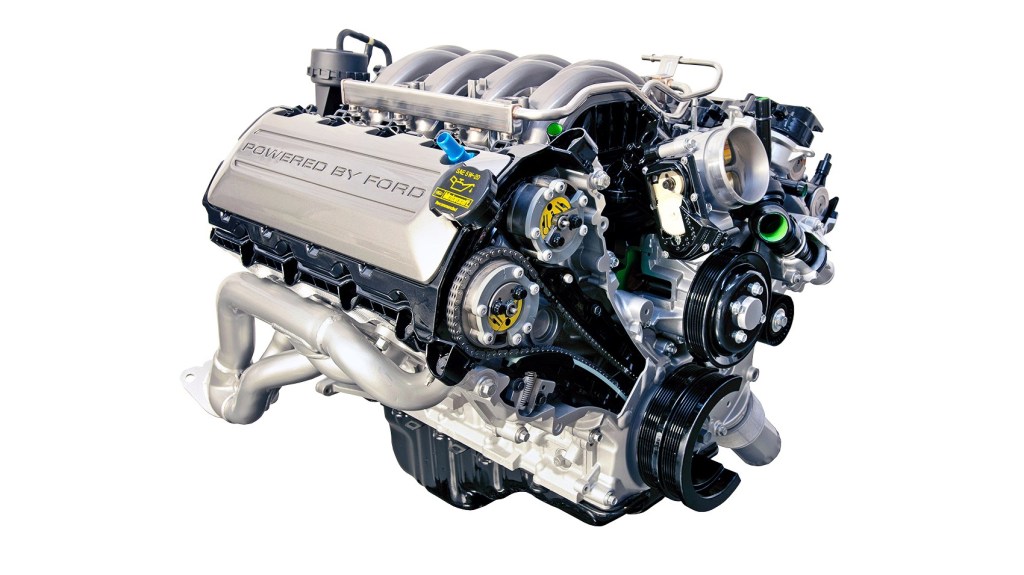
Major parts of engine are as follows-
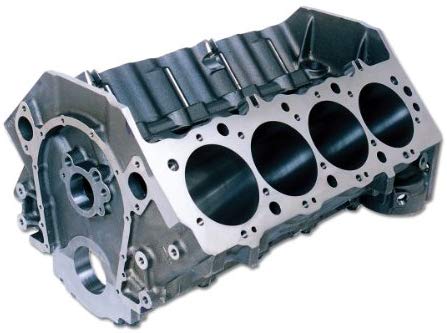
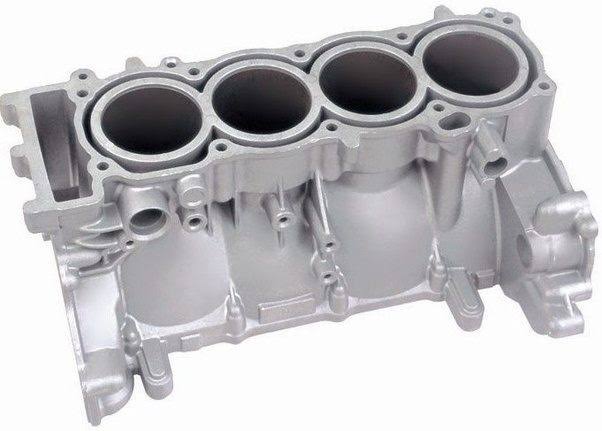
- Engine block: It is a solid stationary component to which all the other engine parts are fixed. The earlier engine was made of cast iron but nowadays it is replaced by aluminium alloy as it is lightweight.
- Crankcase: It can be seen at the bottom of the engine, it is used to store the oil for lubrication purpose.
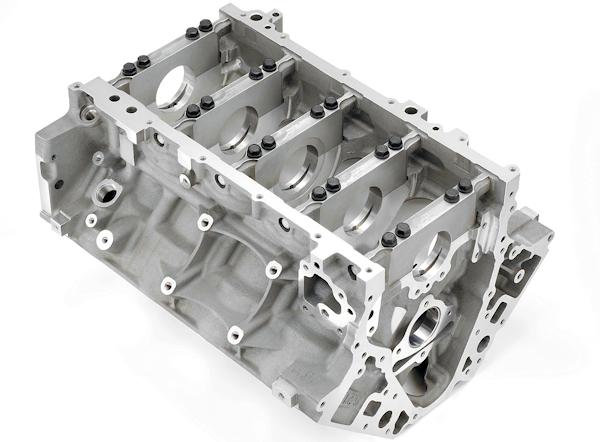
- Engine Cylinder: This is the space where the piston reciprocates. It is internally cylindrical in shape with a very smooth surface finish. It is designed to withstand a high temperature since the combustion takes place in this chamber.
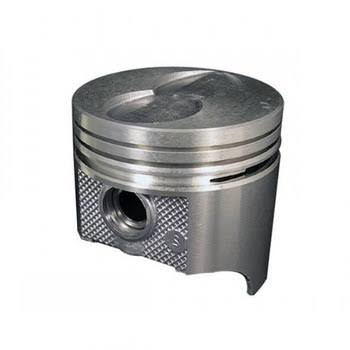
- Piston: It is the part which reciprocates in the engine cylinder. It is connected to a small end of the connecting rod. The top face of the piston experience the maximum temperature produced in the engine cylinder.
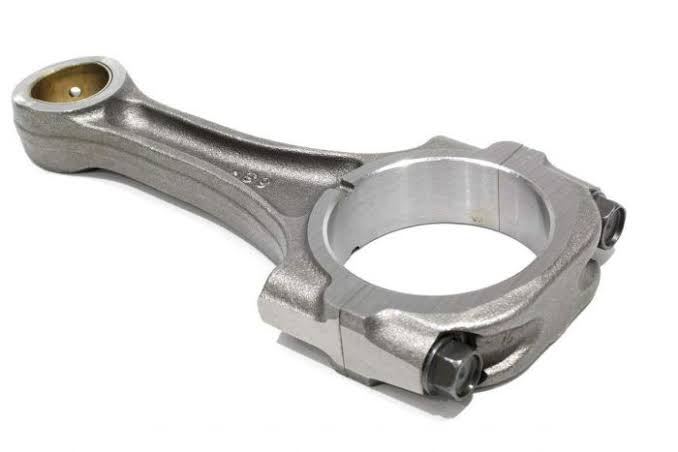
- Connecting rod: It is connected between piston and crankshaft. This is used to convert reciprocating motion to rotary motion. The small end is connected to the piston and big end is connected to the crankpin journal of the crankshaft.
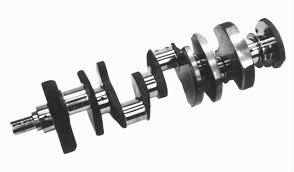
- Crankshaft: It is the shaft that is connected to the big end of the connecting rod. The rotary motion starts from here and transmitted to wheels. It has the counter mass to balance the shaft.
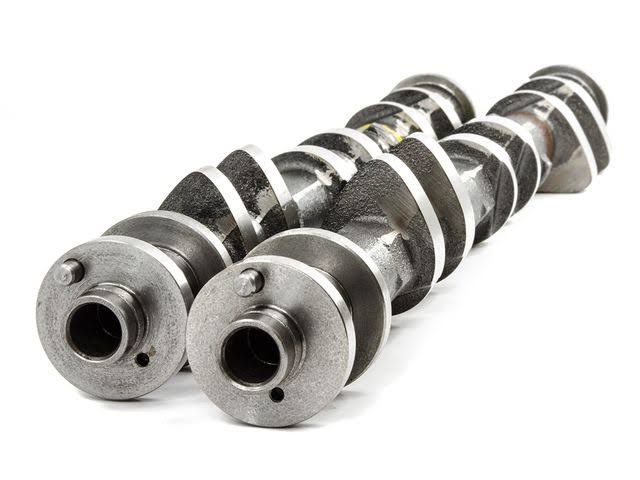
- Camshaft: It is used to control opening and closing of the inlet and outlet valve. It is driven by crankshaft using a belt. It has various cam lobes mounted to the shaft.
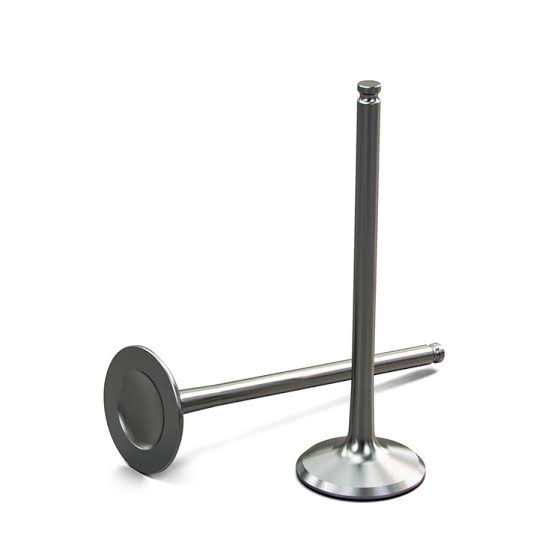
- Inlet and exhaust valve: These are an inverted funnel-shaped component placed on the cylinder head. This is used to control the amount of charge sent to the cylinder and scavenging of the exhaust products.
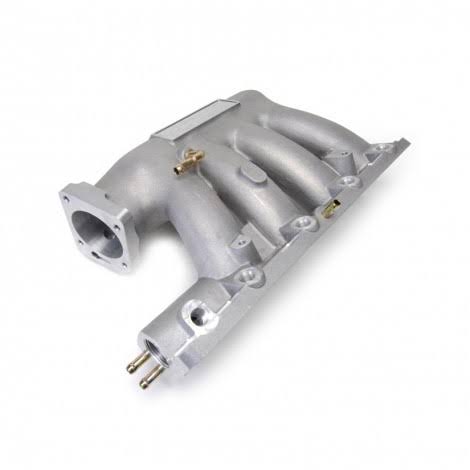
- Inlet manifold: These are the metal pipe through which the air for combustion enters the cylinder.
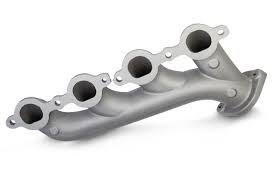
- Exhaust manifold: These are the metal pipe through which exhaust products after combustion come out of the cylinder.
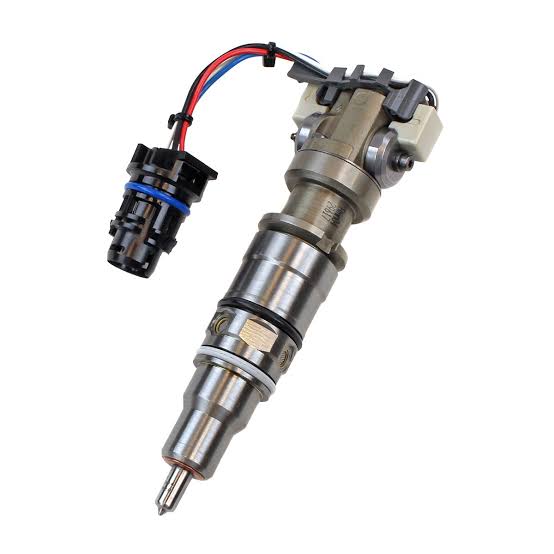
- Fuel injector: It is used to produce the finely atomized spray of fuel during the end compression stroke of the engine.
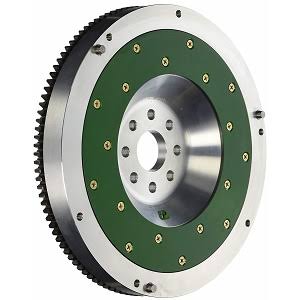
- Flywheel: It is used to store the energy obtained during the power stroke and helps in the rotation of the crankshaft during the other three strokes.
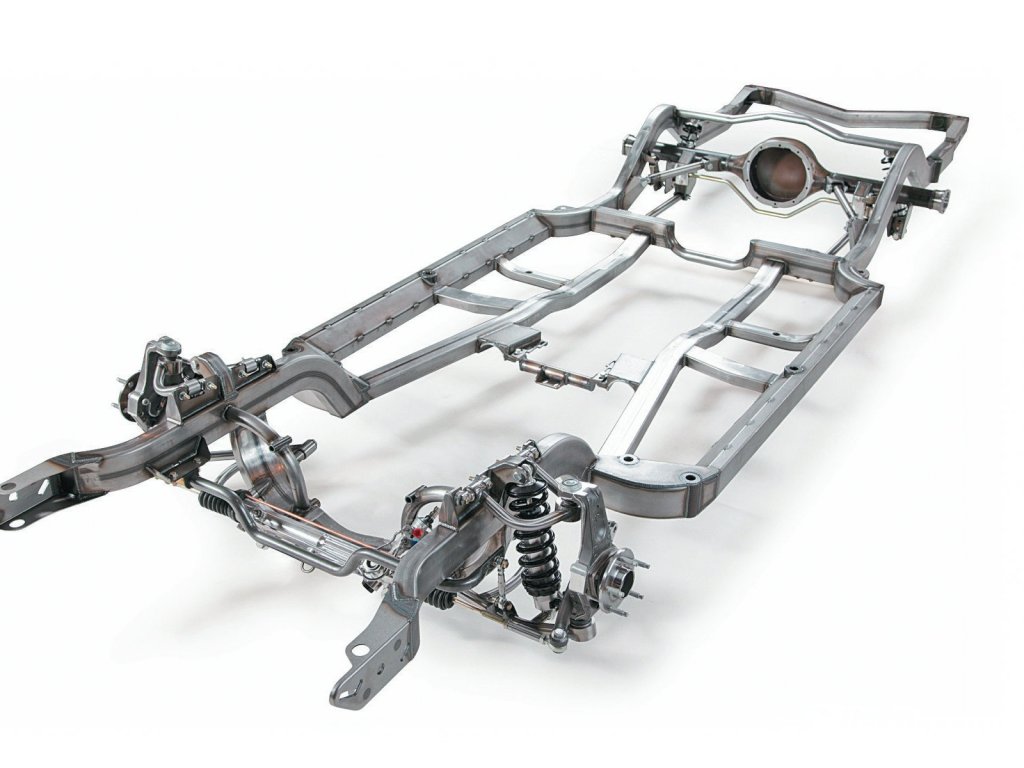
12. Chassis
It is the base foundation of the vehicle where all the housing for engine, transmission system, axles, and passenger space ect, is been fix or fitted on it. it holds all the component of the vehicle together.
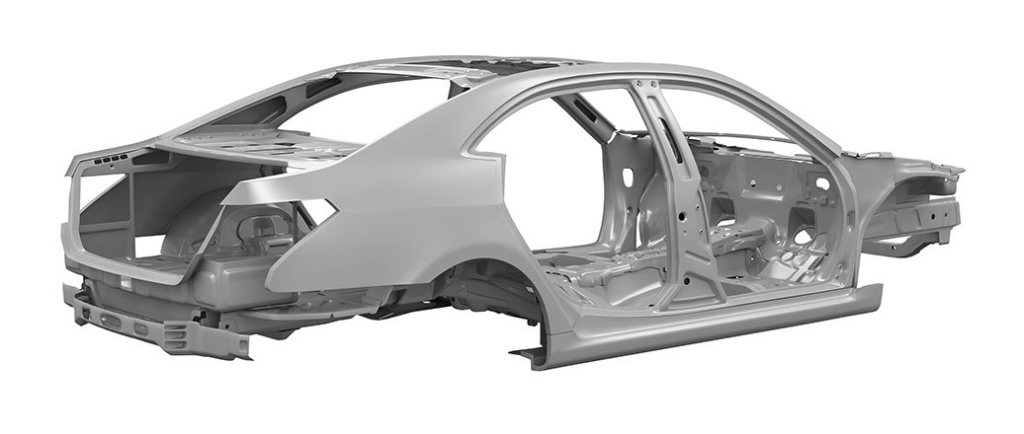
13.Car body
It is the static structure of the car which adds beauty to the car. The car body is usually made of steel, aluminium and other special fibres. This plays an important role in aerodynamics of the vehicle.
14. Dashboard
It is the place where we can find all the gauges, most of the driver controls are present here like Air Conditioner, music and video gadgets, sensors display and some small space.
15. Other accessories
Gauges
Gauges are used to measure track the performance of the car. In cars, we find a tachometer, fuel gauge, temperature gauge, voltmeter, oil pressure gauge. Nowadays even the amount of emissions is also measured using the sensors and gauges. different gauges in car are:
- fuel gauge
- speedometer
- tachometer
- temperature gauge
- oil pressure gauge
- voltmeter
- ammeter
Fuel tank
It’s nothing but a plastic tank made of polyethylene of high density. It is used to store the fuel. Usually fuel tank capacity varies somewhere between 40 to 70 litres.
Throttle
Throttle system is used to regulate the flow of intake gases to the engine cylinder. The time taken for combustion during higher RPM is very less (range of 5 to 10 milliseconds) so it is important to look at throttle body size for high power.
Clutch
When the car is moving with some speed, it is not safe to change the gear without slowing/stopping the rotation of gears, as it damages the gear teeth. So the clutch is used to disconnect the output shaft of the engine and the input shaft of the transmission system. When the clutch is pressed both the shaft detached and gear can be changed.
Fuel pump
It is an auxiliary system that is used to pump the fuel from the fuel tank and send to injectors. There are two pumps in general one is feed pump and another is the injection pump. The feed pump is used to pump fuel from the fuel tank and injection pump is used to pump fuel from the filter to injector with high pressure.
Steering mechanism
The steering mechanism is used to make a turn during driving. The system contains a rack and pinion mechanism. It converts circular motion to linear motion. This actuates the tie rod connected with the wheel. so when the steering wheel is rotated even the wheels take a turn.
Forced injection system
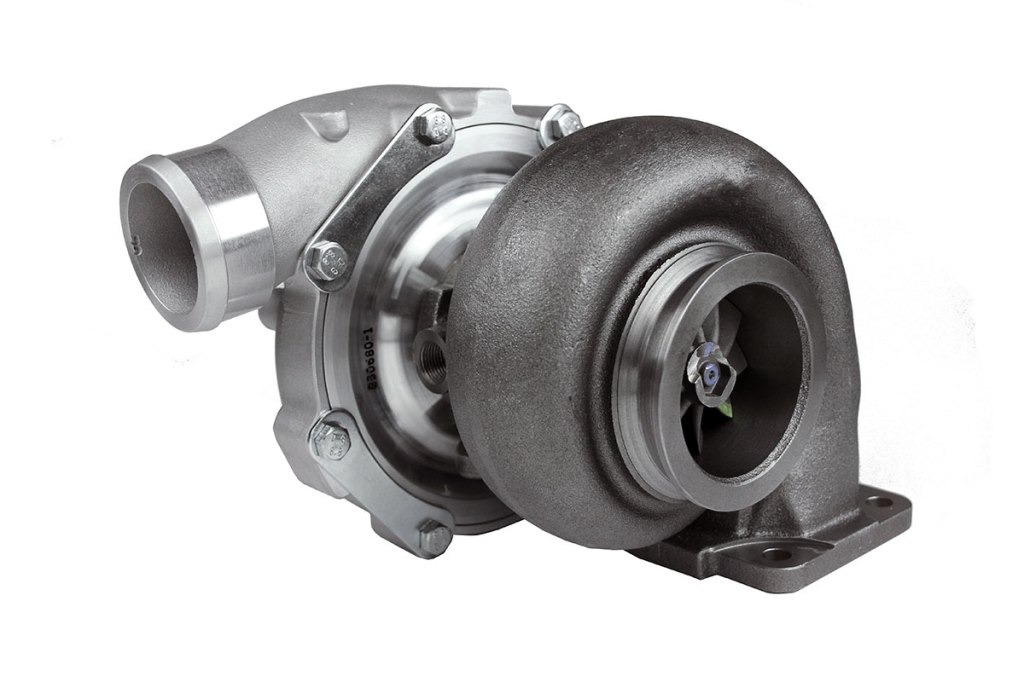
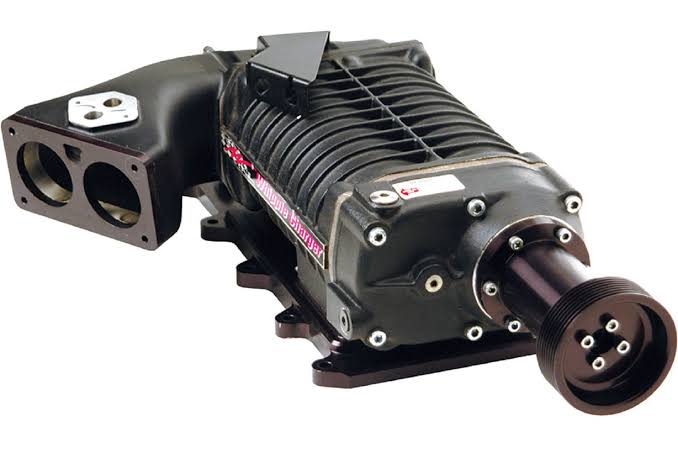
It is a power booster to the car, which induces a high volume of air to the engine aiming to obtain a high brake horse power.
Starter motor
It is an Electronic DC motor that is used to rotate the crankshaft until the engine develops its power. When you turn the key, you are providing electricity to work the motor.
windshield
These are not normal glasses which we find in the windows and doors of our home. Windshields are used to protect passengers from dust, smoke and UV rays, and provide good visibility making driver comfort. These are treated glass where the two sheets of glasses are laminated with a plastic layer in between. So that when there is an accident the glass doesn’t injure the driver and passengers.
Lights and Horn
Lights and horn play a major key role in the communication of cars. Lights comprise of headlights, fog lights, brake lights and signal lights. Horn is used in clearing the path and to alert the opposite vehicle.
Different lights in car are
- headlights
- tail lights
- daytime lights
- fog lights signal
- lights brake lights
- hazard lights
Air conditioner
The system works similar to the AC at your home. It actually takes the heat and moisture out of the air that is already present in your car, leaving behind cooler air and fresh air is inside the car, which is drawn with the help of a air vent ,which can be adjusted due to the sitting position.

Filters
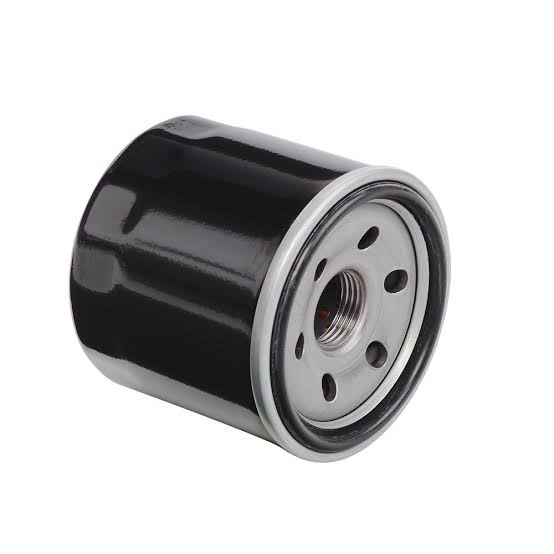
The lubricants, air and fuel contain dust and other unwanted particles due to this the clogs might form in the pipes, hence these things have to be filtered and filter does the work of filtering these unwanted particles in the fluids.
different filters in car are:
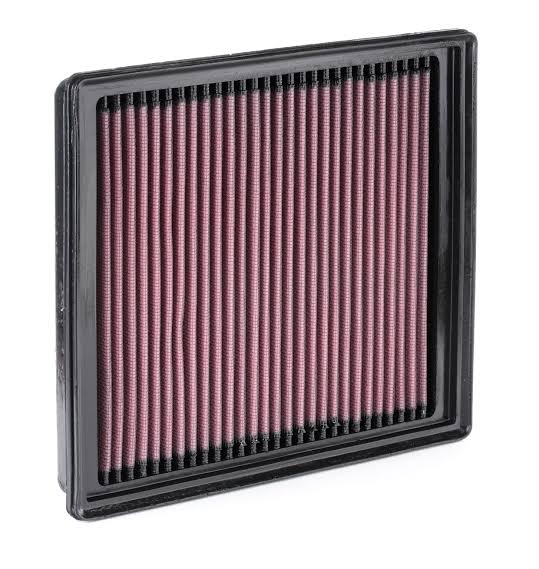
- Air filter: As everyone knows air contains a lot of dust and other unwanted particles. So the air has to be cleaned before letting it to the combustion chamber. The air filter is made of paper material and this filters the dust particles. In case if air, not filtered the abrasive materials enter the cylinder and lead to mechanical wear.
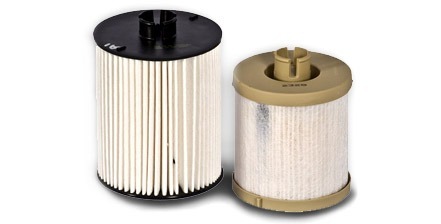
- fuel filter: Most fuels are obtained in petroleum in the earth crust, it contains a lot of micro and minutes dust particles. So, this has to be filtered for the proper combustion. The fuel filter has two filters, fine filter and coarse filter. A fine filter is used to remove the dust particles and the coarse filter is used to remove the micro-level dust particles.
- oil filters: Even this is a part of a petroleum product and contains a lot of contaminants. This has to be filtered or else it leads to blockages and clogs formation the pipes.
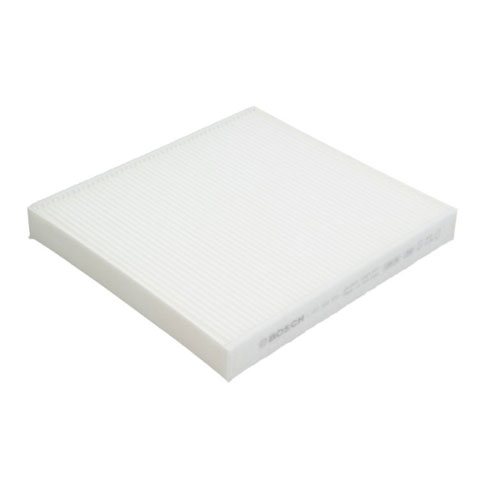
- cabin filter: This doesn’t deal with technical aspects but plays a major role is passenger comfort. This filters the dust particles entering the interior space of the car.
 AUTO_DOCTOR